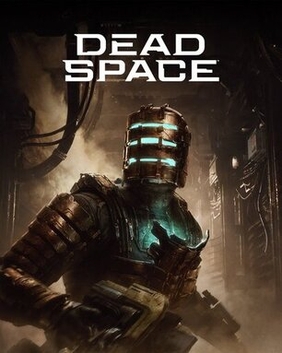
Dead Space Remake: The Classic Sci-Fi Horror Rebuilt for a New Generation
The chilling silence of deep space is broken once again, not by the gentle hum of interstellar engines, but by the tortured screams echoing through a desolate starship. *Dead Space*, the seminal sci-fi survival horror masterpiece that redefined the genre, has returned. Completely rebuilt from the ground up by Motive Studio, this isn't just a simple remaster; it's a profound reimagining that meticulously preserves the dread-inducing spirit of the 2008 original while leveraging modern technology to amplify its terror to unprecedented levels. For fans of visceral horror and intricate storytelling, the return of *Dead Space* is a monumental event, promising an experience that is both familiar and shockingly new, dragging players back into the grotesque depths of the USG Ishimura.
A Terrifying Return: The Remake's Core Philosophy and Visual Brilliance
The phrase "rebuilt from the ground up" is often thrown around, but for the *Dead Space* remake, it defines every facet of its existence. This undertaking allowed the developers to not merely polish old assets but to entirely reconstruct the game with today's graphical fidelity, sound design, and gameplay mechanics in mind. The result is a truly breathtaking, yet utterly horrifying, visual spectacle. Every shadow, every glint of metal, every grotesque detail of the mutated Necromorphs is rendered with painstaking precision. The frighteningly detailed rooms and workspaces of the slaughtered crew are no longer just backdrops; they are crime scenes teeming with environmental storytelling. Blood spatters, scattered personal items, and desperate messages scrawled on walls paint a grim picture of the Ishimura's tragic descent, inviting players to piece together the catastrophe as they navigate its increasingly hostile corridors.
This commitment to detail extends beyond mere aesthetics. The very architecture of the Ishimura feels more cohesive and realistic, enhancing the sense of a once-functional mining vessel now corrupted by an alien plague. Textures are incredibly rich, lighting is dynamic and atmospheric, and character models – especially those of the Necromorphs – are disturbingly lifelike, making each encounter feel more immediate and impactful. The *Dead Space* remake doesn't just look better; it *feels* more real, drawing players deeper into its horrifying embrace and making the impending scares all the more potent. This foundation of enhanced visual fidelity ensures that both veterans and newcomers alike will find themselves utterly engrossed in Isaac Clarke's desperate fight for survival.
Immersive Horror: Sound, Atmosphere, and Uninterrupted Tension
What truly elevates the *Dead Space* experience beyond mere jump scares is its masterful command of atmosphere, a quality the remake elevates significantly. The eerie atmospheric sounds of a desolate spaceship are not just background noise; they are a character in themselves. The creaks and groans of the Ishimura's decaying hull, the distant moans of unseen horrors, the frantic thumping of Isaac's own heart, and the sickening squelch of Necromorph flesh being torn apart – all are meticulously designed to keep players on edge. The game’s 3D audio implementation is particularly effective, making players question every sound, every whisper, every scuttle in the vents, turning the environment itself into a constant source of dread. The silence is often more terrifying than the noise, punctuated by sudden, jarring outbursts that send chills down your spine.
This atmospheric pressure is maintained without interruption. One of the most significant enhancements in the *Dead Space* remake is the removal of loading screens throughout the Ishimura. This allows for a seamless, unbroken journey through the entire ship, amplifying the feeling of being trapped and isolated. As you traverse from one blood-soaked deck to another, there's no momentary reprieve, no break in the tension. This seamless design is crucial for delivering what the developers call the "Intensity Director," a dynamic system that constantly monitors player activity and adjusts enemy spawns, environmental hazards, and atmospheric effects in real-time. This means that no two playthroughs are exactly alike, ensuring that even seasoned players will encounter unpredictable and tense moments. To truly appreciate how this continuous flow enhances the dread, delve deeper into
Dead Space: Uninterrupted Scares in a Desolate Spaceship. Furthermore, for a deeper dive into the auditory and visual elements that craft this specific brand of terror, you might want to read
Exploring Dead Space's Terrifying Sci-Fi Atmosphere. The remake understands that sustained psychological horror, built on relentless atmosphere and sound, is far more impactful than cheap frights.
Gameplay Refinements and New Horrors to Master
While the *Dead Space* remake remains faithful to the original's core gameplay loop, it introduces a host of intelligent refinements that make the experience feel fresh and modern. The iconic "Strategic Dismemberment" system, where players must sever the limbs of Necromorphs to effectively neutralize them, is more visceral and satisfying than ever. The Peeling System, a new addition, adds layers of flesh, sinew, and bone to Necromorph models, which visibly peel away as you inflict damage, providing grotesque anatomical feedback that makes combat even more tactile and strategic. Understanding which body parts to target and how to efficiently conserve your limited resources remains paramount.
Beyond combat, other aspects have been improved:
- Enhanced Zero-G Movement: Isaac's movement in zero-gravity sections is now completely retooled, providing 360-degree freedom and a more intuitive, modern control scheme, allowing for both exploration and combat in these challenging environments.
- Expanded Story and Lore: The remake weaves in elements from the wider *Dead Space* universe, including side quests and new narrative beats that flesh out the tragic backstory of the Ishimura, its crew, and Isaac Clarke himself. Dialogue for Isaac, now fully voiced by Gunner Wright, adds more depth to his character.
- Improved Map and UI: Quality-of-life improvements have been made to the map system and user interface, making navigation and inventory management more streamlined without sacrificing the immersive diegetic UI that the original was known for.
- The Intensity Director: As mentioned, this dynamic system ensures varied enemy encounters and environmental hazards, preventing predictability and maintaining a constant state of unease. Expect new enemy variants, modified existing ones, and unpredictable attacks.
For new players jumping into *Dead Space* for the first time, a practical tip is to always survey your environment. Resources are scarce, and every shot counts. Learn the Necromorph weak points (usually their limbs) and don't be afraid to retreat and re-evaluate if overwhelmed. Veterans will appreciate the nuanced changes, challenging them to relearn enemy patterns and adapt to new threats within a familiar setting.
Why Dead Space Continues to Resonate
The enduring appeal of the *Dead Space* franchise, and why its remake is so eagerly anticipated and well-received, lies in its potent blend of elements that few other games manage to achieve. It masterfully combines the visceral action of a third-person shooter with the psychological dread of a survival horror game, all set within a meticulously crafted science fiction universe. The core narrative of Isaac Clarke, an ordinary engineer thrust into extraordinary, terrifying circumstances while searching for his girlfriend, Nicole, provides a deeply human anchor to the cosmic horror unfolding around him. His journey from bewildered survivor to hardened combatant resonates with players.
Furthermore, the Necromorphs themselves are a triumph of creature design. They are not merely zombies; they are grotesquely mutated corpses, reanimated with alien biology, designed to be terrifyingly efficient killing machines. Their diverse forms and the requirement for strategic dismemberment make every encounter a puzzle and a fight for survival. The lore surrounding the Marker, the Unitology cult, and the origins of the Necromorphs is rich and compelling, drawing players into a larger, terrifying cosmic narrative. The remake ensures that this rich tapestry of story, character, and creature design is not only preserved but enhanced, making it accessible and impactful for a new generation while reigniting the passion of long-time fans.
Conclusion
The *Dead Space* remake is a monumental achievement, a perfect example of how to modernize a classic without losing its soul. By rebuilding from the ground up, Motive Studio has delivered a game that is visually stunning, aurally terrifying, and profoundly immersive. It takes the familiar confines of the USG Ishimura and transforms it into an even more hostile, unpredictable, and detailed environment. For those seeking an unparalleled sci-fi survival horror experience, where every shadow holds a threat and every sound signals impending doom, the *Dead Space* remake is an essential journey into the heart of fear. Brace yourself, engineer; the Ishimura awaits.