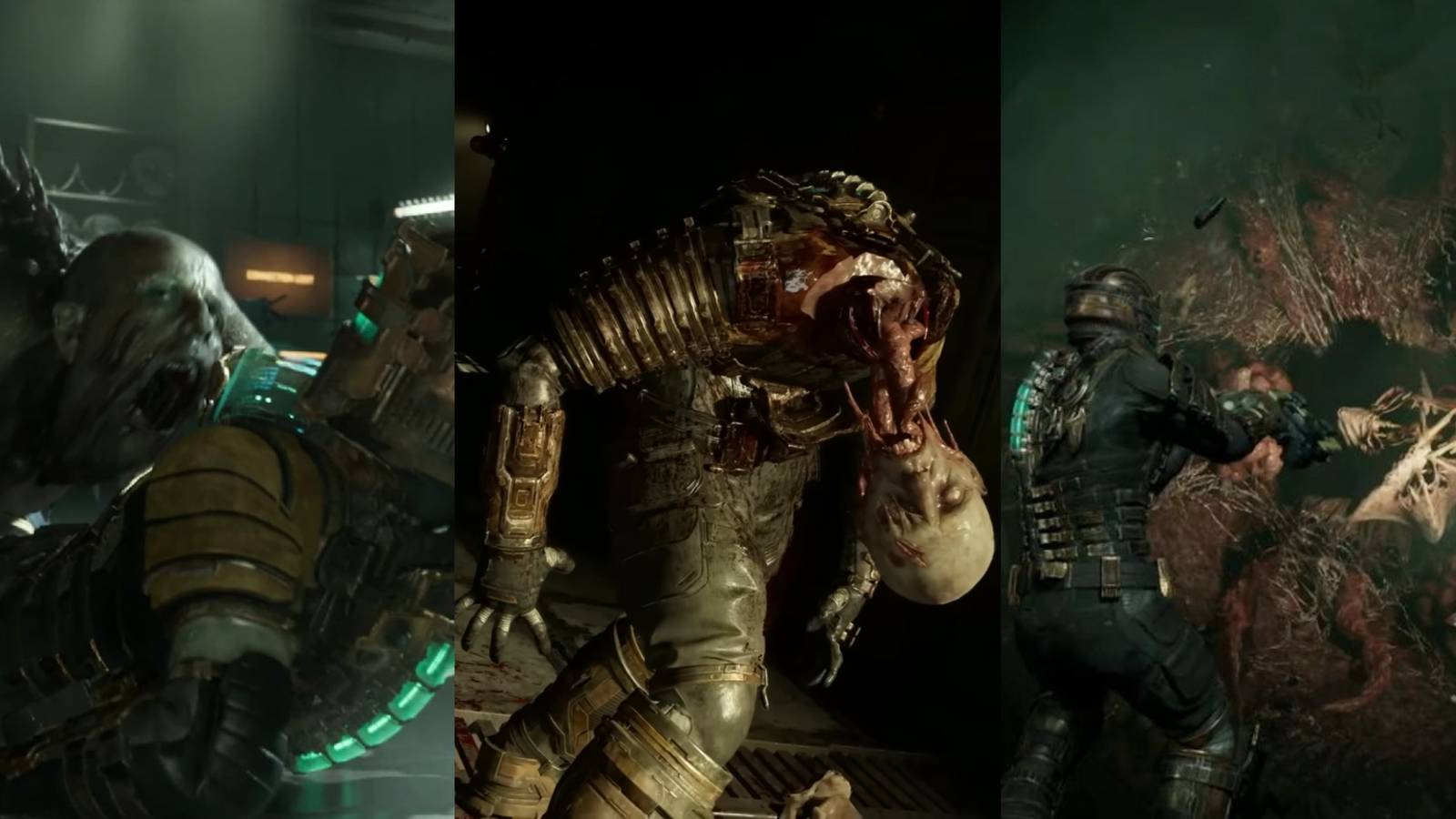
Dead Space: Uninterrupted Scares in a Desolate Spaceship
Few games manage to bottle the essence of pure, unadulterated dread quite like Dead Space. Since its original release, this sci-fi survival horror masterpiece has cemented its place as a genre-defining experience, plunging players into an isolated nightmare aboard a derelict starship. It's a game that doesn't just ask you to survive; it forces you to confront the absolute terror of being alone, hunted, and outnumbered in the cold vacuum of space, all while delivering a relentless stream of terrifying sci-fi atmosphere and uninterrupted scares.
At its heart, Dead Space is a journey into the abyss, both literally and psychologically. You step into the heavy boots of Isaac Clarke, an engineer dispatched to the USG Ishimura, a colossal planet-cracking vessel that has mysteriously gone silent. What begins as a routine repair mission quickly devolves into a desperate fight for survival against grotesque, reanimated corpses known as Necromorphs. This isn't just about jump scares; it's about a pervasive sense of dread, built meticulously through environmental storytelling, chilling sound design, and a gameplay loop designed to keep you perpetually on edge. The recent Dead Space Remake: The Classic Sci-Fi Horror Rebuilt has only amplified this experience, bringing the nightmare to a new generation with stunning fidelity and expanded content.
The Unrelenting Terror of the USG Ishimura
The USG Ishimura isn't just a setting; it's a character itself, a sprawling, claustrophobic labyrinth that breathes death and despair. From the moment Isaac steps aboard, the ship tells a story of unimaginable horror. The designers meticulously crafted every inch of its "frighteningly detailed rooms and workspaces of a slaughtered crew," leaving visual clues that paint a grim picture of the ship's last moments. Blood smears adorn bulkheads, discarded personal logs hint at the crew's descent into madness, and dismembered bodies serve as grim warnings of the lurking dangers.
The ship's sheer scale is juxtaposed with the oppressive feeling of isolation. You traverse vast, silent cargo bays only to find yourself squeezed through cramped, sparking ventilation shafts, where every metallic groan or distant shriek sends shivers down your spine. The atmosphere is thick with despair, a tangible presence that weighs on Isaac and, by extension, the player. This is a desolate spaceship where humanity's ambition has met its most horrifying consequence.
A Masterclass in Environmental Storytelling
One of Dead Space's greatest strengths lies in its commitment to environmental storytelling. Instead of relying heavily on cutscenes or lengthy exposition, the game communicates much of its narrative through the world itself. Players encounter ghastly crime scenes, grotesque rituals performed by the afflicted crew, and desperate messages scrawled in blood on walls. These details don't just add flavor; they deepen the mystery of what happened on the Ishimura and amplify the sense of psychological horror. Observing the aftermath of a Necromorph attack, discerning the specific ways individuals met their end, or finding remnants of a last, futile stand can be more chilling than any direct confrontation. It forces players to piece together the grim puzzle, making them active participants in unraveling the tragedy.
Sound Design: The Symphony of Fear
The "eerie atmospheric sounds of a desolate spaceship" are arguably the most potent weapon in Dead Space's arsenal. The audio landscape is a masterclass in psychological manipulation. Every creak of shifting metal, every drip of unknown fluid, every distant, guttural growl is meticulously placed to create maximum tension. Players constantly find themselves distinguishing between harmless environmental noises and the tell-tale scuttling of an approaching Necromorph. The game uses silence as effectively as noise, creating moments of calm that are instantly shattered by sudden, violent outbursts.
- Spatial Audio: Pinpointing the direction of a sound can save your life, but it can also be used to mislead, sending you down a dark corridor only to be ambushed from another.
- Player Feedback: Isaac's heavy breathing, the clanking of his rig, and the low hum of his plasma cutter all serve to ground the player in the experience, enhancing the feeling of vulnerability and immersion.
- The Necromorph Chorus: The guttural roars, rasps, and screams of the creatures are uniquely terrifying, signaling their presence and variety. Each type of Necromorph has a distinct auditory signature, allowing experienced players to anticipate threats even before seeing them.
Uninterrupted Horror: The Seamless Experience
What truly sets Dead Space apart and delivers its promise of "unpredictable and tense moments without interruption" is its revolutionary approach to immersion. The game was designed from the ground up to minimize anything that could break the player's focus on the horror. There are no traditional loading screens once you're in the game, no obtrusive UI elements cluttering the screen, and cutscenes often transition seamlessly into gameplay. This deliberate design choice means you are always present, always vulnerable, and always in the moment.
The integrated user interface is a prime example of this philosophy. Instead of a separate health bar or ammo counter, these crucial pieces of information are displayed directly on Isaac's suit or weapon. Checking your health involves glancing at the spine-mounted gauge, while ammo count appears holographically above your weapon. This keeps your eyes on the terrifying environment, forcing you to make quick, critical decisions under pressure without ever leaving the game world.
The HUD-less Immersion
The absence of a traditional Head-Up Display (HUD) is a foundational pillar of Dead Space's immersive design. Your health bar is the glowing spine on Isaac's RIG suit, changing color from vibrant green to a perilous red as he takes damage. Your stasis and kinesis meters are similarly integrated into the suit's back. When you want to check your inventory, access the map, or read data logs, these interfaces project holographically from Isaac's forearm, still allowing you to see your surroundings – a crucial detail when a Necromorph could burst from a vent at any moment. This ingenious system maintains the feeling of vulnerability and realism, making every decision, from managing resources to simply checking your next objective, a tense part of the experience.
Surviving the Madness: Strategies and Insights
Surviving the horrors of the Ishimura requires more than just a quick trigger finger. Dead Space is a true survival horror game, demanding strategic thinking, resource management, and a keen understanding of its unique combat mechanics. Here are some practical tips to help you navigate the nightmare:
- Strategic Dismemberment is Key: Unlike traditional shooters where headshots are king, Necromorphs are only truly vulnerable when their limbs are dismembered. Aim for arms and legs to slow them down, then dismember remaining limbs to ensure they stay down. The Plasma Cutter is your most reliable tool for this.
- Conserve Resources: Ammo, health packs, and stasis packs are scarce. Explore every nook and cranny for supplies, but use them wisely. Don't waste precious rounds on an enemy you can evade, or a health pack when a quick stomp on a fallen foe might yield one.
- Utilize Stasis and Kinesis: These aren't just for puzzles; they're vital combat tools. Stasis can slow down fast-moving enemies, giving you time to line up dismembering shots. Kinesis allows you to pick up environmental objects (and even enemy limbs) and hurl them as deadly projectiles, saving ammo.
- Upgrade Wisely: Power Nodes are rare. Prioritize upgrades for your most frequently used weapons (Plasma Cutter, Ripper) and Isaac's RIG (suit durability, stasis duration). Balance offensive and defensive enhancements.
- Always Stomp: After an enemy falls, always stomp on their corpse. This often yields extra credits, ammo, or health, and ensures they won't surprise you by reanimating.
- Listen and Look: Pay close attention to audio cues and environmental details. Flickering lights, blood trails, and distant screams are often warnings of impending danger.
Know Your Enemy: Necromorph Varieties
The Necromorphs aren't a monolithic threat; they come in horrifying varieties, each requiring a different approach. Slashers are common but dangerous, while Leapers are agile and attack from ceilings. Lurkers are infant Necromorphs that spit projectiles, and Exploders are suicidal creatures that detonate on impact. Learning their attack patterns, weaknesses, and preferred tactics is essential. Adapt your weapon choice and strategy on the fly; sometimes the Plasma Cutter is best, other times the Ripper or Flamethrower might be more effective against specific threats or groups.
The Legacy and Rebirth of a Classic
The original Dead Space carved out a unique niche in the gaming landscape, proving that truly terrifying experiences could also be mechanically robust and deeply immersive. Its influence can be seen in countless horror games that followed, setting a high bar for atmosphere, sound design, and player engagement. The enduring legacy of Isaac Clarke's first descent into madness is a testament to its exceptional quality.
Now, with the Dead Space Remake: The Classic Sci-Fi Horror Rebuilt, the nightmare has been "completely rebuilt from the ground up." This isn't just a graphical facelift; it's a meticulous recreation that enhances the original experience with modern technologies, expanded narrative elements, and refined gameplay while staying true to the terrifying spirit that made it a classic. New areas, enhanced side missions, and fully voiced dialogue for Isaac add layers to an already rich story, inviting both veterans and newcomers to experience the horror anew.
Dead Space remains a masterclass in sci-fi survival horror, delivering an unparalleled experience of dread and tension through its meticulously crafted world, chilling sound design, and ingenious approach to immersion. From the moment you step onto the ravaged USG Ishimura, you are plunged into an uninterrupted gauntlet of terror, forced to contend with grotesque horrors and your own mounting fear. Whether you're experiencing it for the first time or revisiting its rebuilt glory, Dead Space promises a journey into the heart of darkness that you won't soon forget, solidifying its place as one of the most compelling and terrifying games ever made.